
How to turn your new-build dreams into reality
Ever wanted to build your own home?
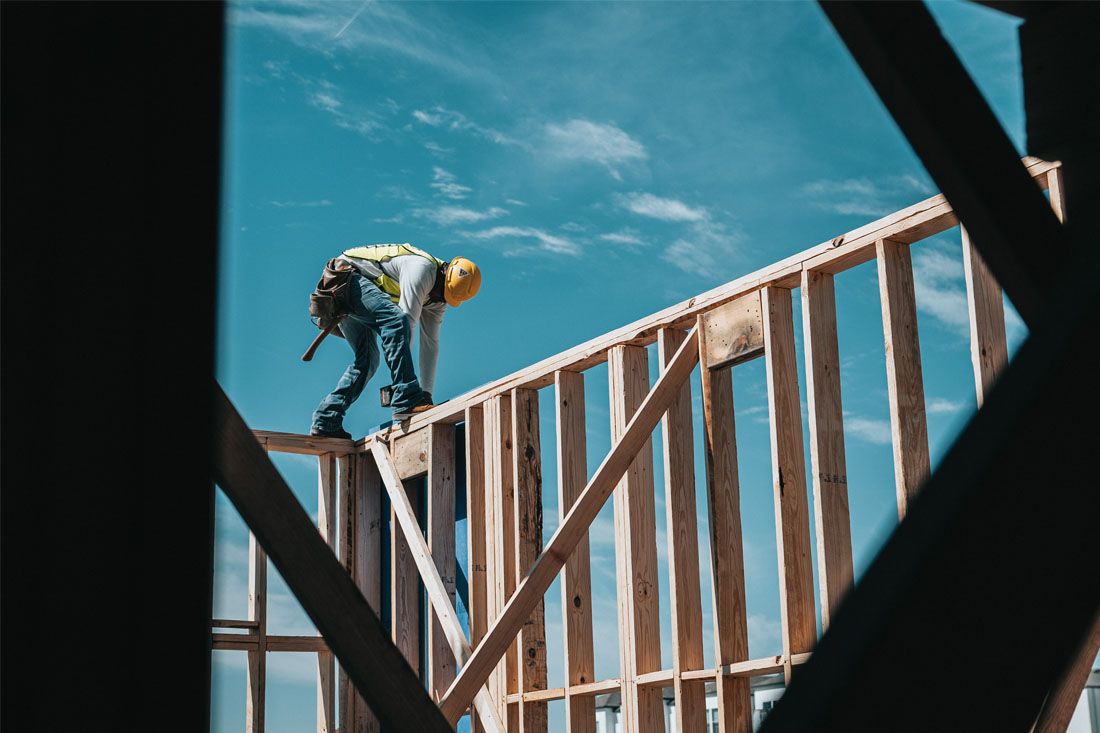
There’s no better feeling than living in a brand new home – it’s fresh, clean and it’s all yours. But financing a new-build works very differently from buying an established home. Here’s what you need to know.
There’s a lot to love about home ownership, and it’s especially exciting when you’re building a place of your own from scratch.
You have the freedom to select your preferred design, personalise the finishes, and then watch as your new home steadily comes to life from the ground up.
And it turns out, more home buyers are choosing a newly built home.
The House Industry Association says that despite higher interest rates, home building activity picked up in the March 2026 quarter.
Amid the excitement of picking colours, carpets and appliances, however, it’s worth knowing how to fund the construction of your new home.
Financing a building project works very differently from buying an established home.
Here’s what’s involved.
Construction loans – tailor-made for building projects
When you borrow to buy an established home, your mortgage lender provides a lump sum to cover the purchase price of the property.
However, when you choose to build a new home, your lender is likely to suggest a ‘construction’ loan – a type of loan purpose-built for building projects.
Rather than receiving the full value of the loan in a single payment, a construction loan works by drip-feeding the funds to you (in reality, your builder) as various stages of construction are completed.
There are typically several payment stages – from laying the slab to final sign-off on completion, and they can differ slightly between lenders.
The cash flow benefits of a construction loan
The common thread of construction loans is that you normally only pay interest on the funds drawn down.
This can help to minimise the cost of the loan – and loan payments – while construction is underway.
This can also be a plus for your cash flow, especially if you’re renting or still paying off your current home whilst the new place is being built.
The other upside of a construction loan can be that your lender will usually check the work completed before signing off on each phase of completion. This may give you extra reassurance that the workmanship is up to scratch.
Then, when construction is fully completed, and your new home is ready to move into, your construction loan will typically become a standard mortgage, and you start making principal plus interest payments on a regular basis.
Is a new build right for you?
Along with the pleasure of living in a brand new home, there can be a cost saving to a newly built place.
Analysis by Compare the Market found it’s normal for the cost to buy to be more expensive than building.
Other costs such as stamp duty can also increase the cost of an established home.
Bear in mind though, building takes time, and construction doesn’t always go to schedule. It’s not a bad idea to budget for a few unexpected costs such as possible delays due to weather.
Talk to us about funding your new home
If you’re ready to build, we’re ready to help you find a construction loan that matches your needs.
Talk to us to get the ball rolling on a brand new home.
Disclaimer: The content of this article is general in nature and is presented for informative purposes. It is not intended to constitute tax or financial advice, whether general or personal nor is it intended to imply any recommendation or opinion about a financial product. It does not take into consideration your personal situation and may not be relevant to your circumstances. Before taking any action, consider your own particular circumstances and seek professional advice. This content is protected by copyright laws and various other intellectual property laws. It is not to be modified, reproduced or republished without prior written consent.